Spandana Spoorty LOS — Reimagining Loan Origination for the Field
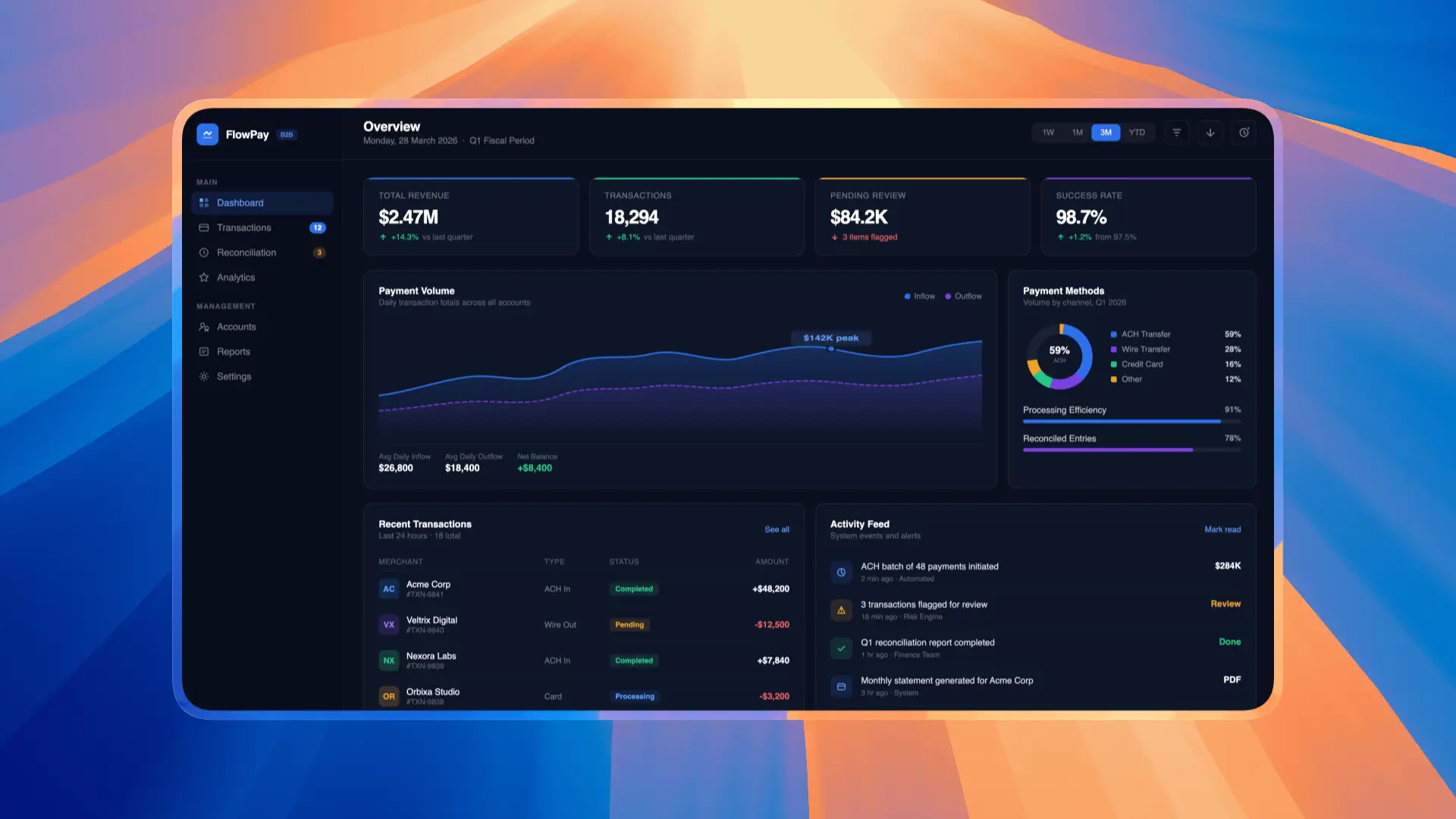
Flowpay is a 5-month redesign of a SaaS financial operations platform used by mid-sized businesses.
Role
Duration
Tools
Team
Context & Framing
SSFL needed a mobile-first Loan Origination System (LOS) — used internally by Loan Officers, Branch Managers, and Branch Credit Managers — to run the entire assisted loan lifecycle on a phone: lead generation, KYC, application, sanction, disbursement, and ongoing maintenance.
I led design end-to-end: I was in the room for initial requirement-gathering at the client's Hyderabad office, ran the ideation and IA-solutioning workshops that shaped the product, worked directly with Engineering on data mapping and API sequencing to optimize flows, designed the full journeys, and stayed involved through developer handoff, testing, and stakeholder sign-off
The Problem, Backed by Data
The existing application had broken flows and no user-centered design — Loan Officers had no way to track daily tasks, and most of the process defaulted to offline or manual workarounds, which meant poor record-keeping and inconsistent data.
The numbers made the urgency concrete:
Completing a single loan application took 60–80 minutes by loan officer on the old system.
SSFL's annual disbursement had dropped from ₹12,000 crore to ₹4,000 crore — a direct consequence of field-level friction slowing branch operations while competitors moved faster.
This wasn't a UI polish project. It was a business-critical rebuild, and I framed every design decision against those two numbers.
Research & Discovery
I split research into two tracks: the field, and the business.
Field research (Jaipur & rural Rajasthan branches):
I spent two full days living a Loan Officer's and Branch Manager's actual workday — not interviewing them in a conference room, but shadowing them through customer visits, watching how they used the existing app, and seeing firsthand how poor network connectivity in remote areas broke their workflow. I also held structured discussions with 6 Loan Officers, 2 Branch Managers, and 2 Branch Credit Managers, surfacing recurring themes: the system made basic tasks harder, new/urgent tasks weren't visually surfaced so they got missed, and system failures forced manual workarounds that slowed everything down.
Business & operations research (Hyderabad):
Back at the client's business, product, and support teams, I traced the same symptoms to their root causes:
Business team: field-level friction was directly limiting SSFL's ability to expand while competitors scaled faster.
Product team: the app was collecting a large number of unnecessary legacy data points, which caused applications to stall or get stuck.
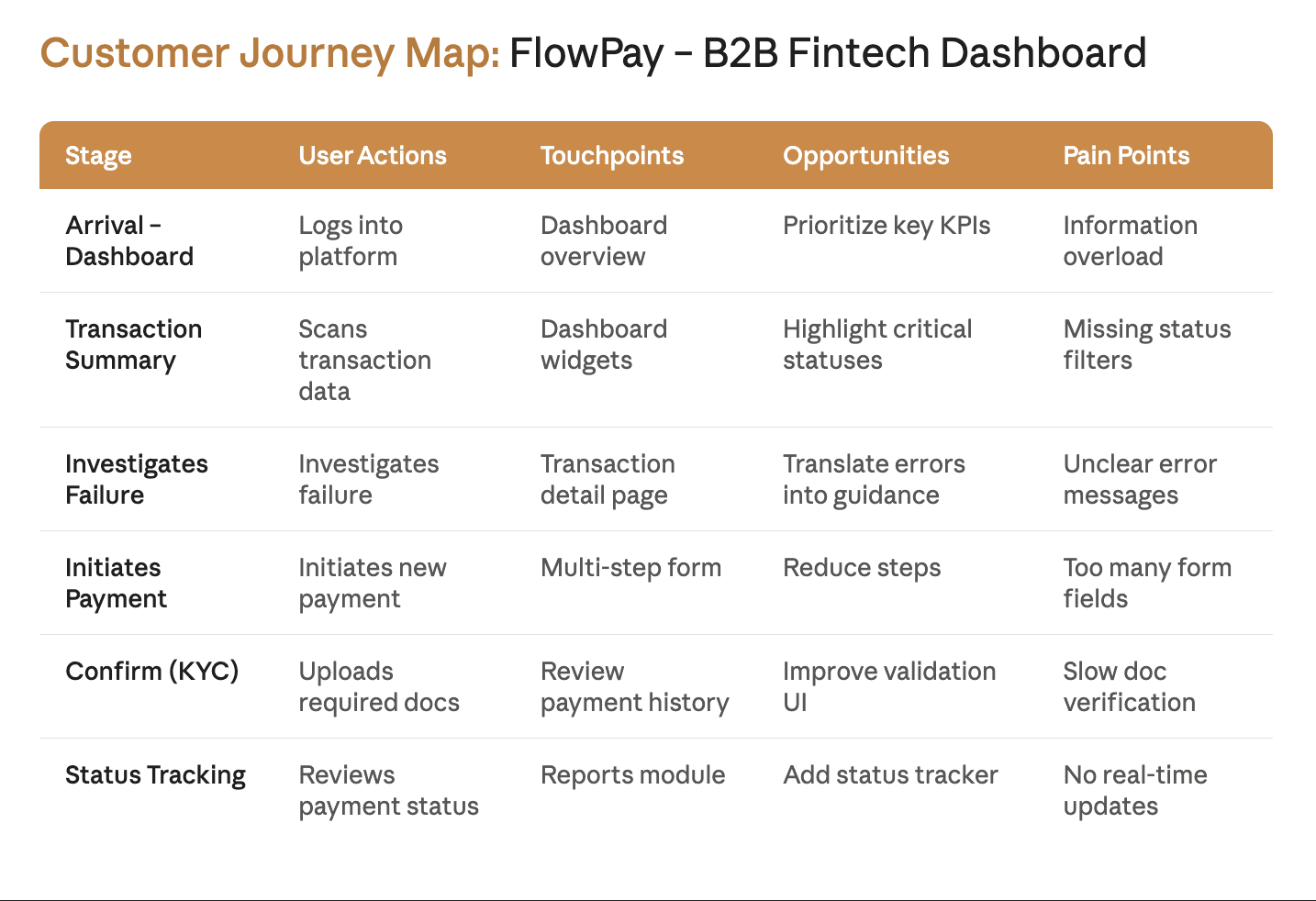
Support/QC team: the most striking insight — every application generated an average of 4–5 queries back to Quality Check, adding 5–6 hours to completion time. This single bottleneck was significant enough that SSFL maintained a 150+ person support team just to manage it.
Ideation
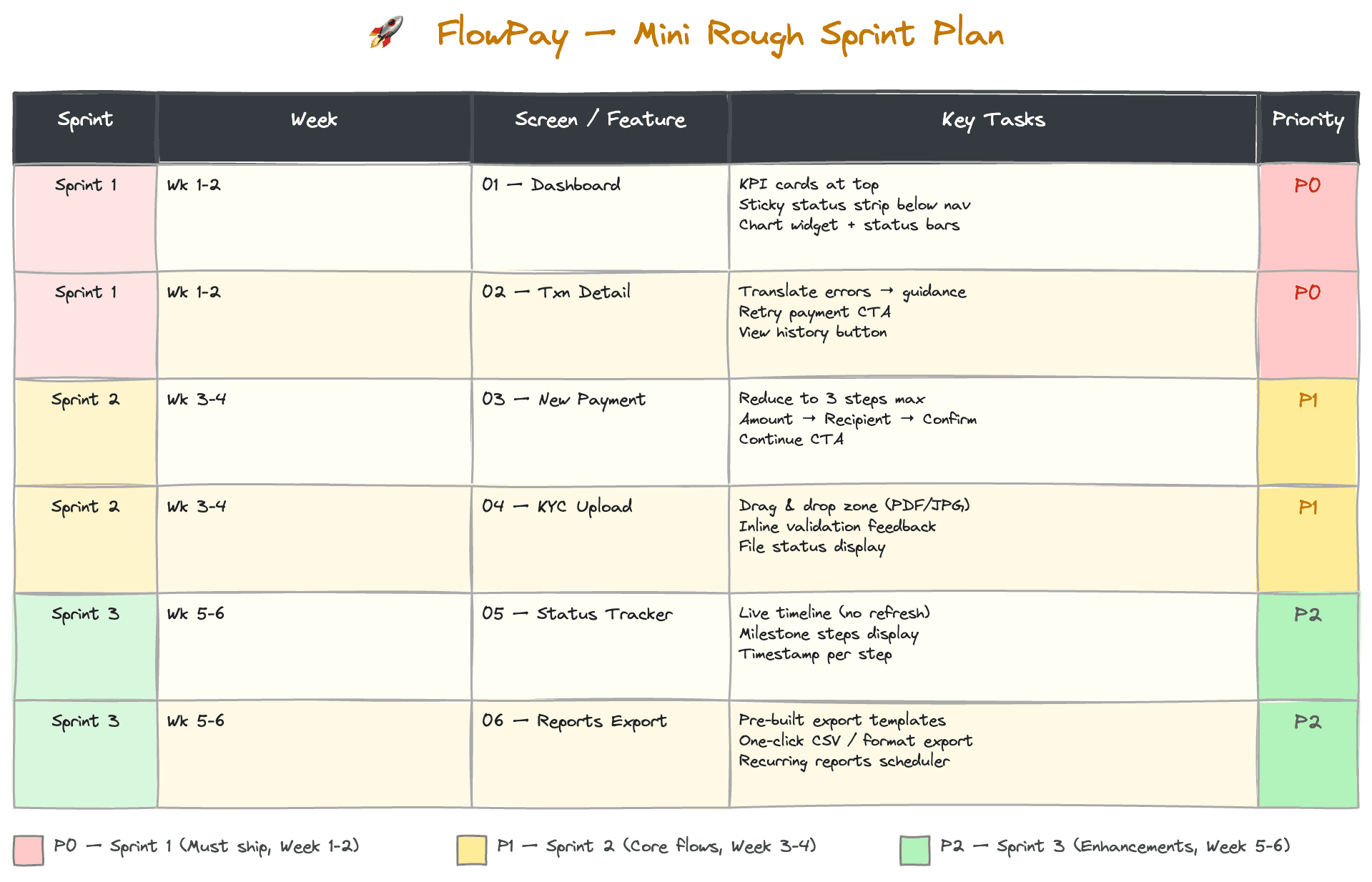
Armed with research insights, I facilitated a 2-day design sprint with the cross-functional team. We used crazy eights, mind mapping, and dot voting to generate and prioritize solutions.
From 120+ rough concepts, we narrowed down to 3 directions and ultimately chose "StreamFlow" — a concept that reimagined the payment creation flow as a guided, contextual experience rather than a rigid step-by-step form.
User Flow
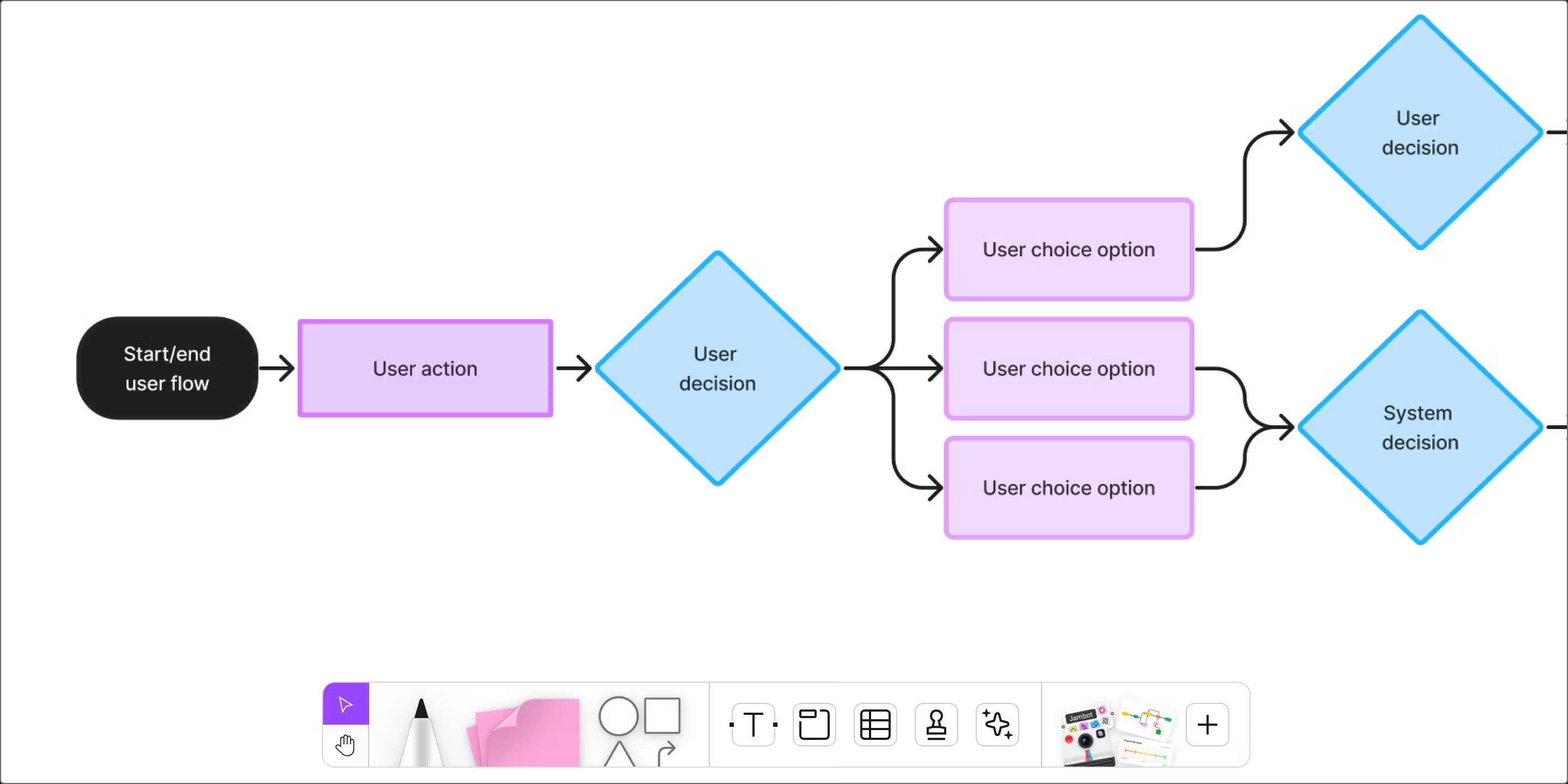
I mapped the complete user journey from login to payment confirmation. The primary goal was reducing the payment flow from 7 steps to 3 while maintaining all necessary compliance and verification requirements.
Payment details — smart defaults and auto-fill based on history
Review & confirm — all info on one screen with inline editing
Confirmation — real-time status with estimated processing time
Wireframing
I created wireframes for 18 key screens, starting with low-fidelity sketches and iterating to mid-fidelity grayscale layouts. Each round incorporated feedback from internal reviews and 2 rounds of guerrilla usability testing.
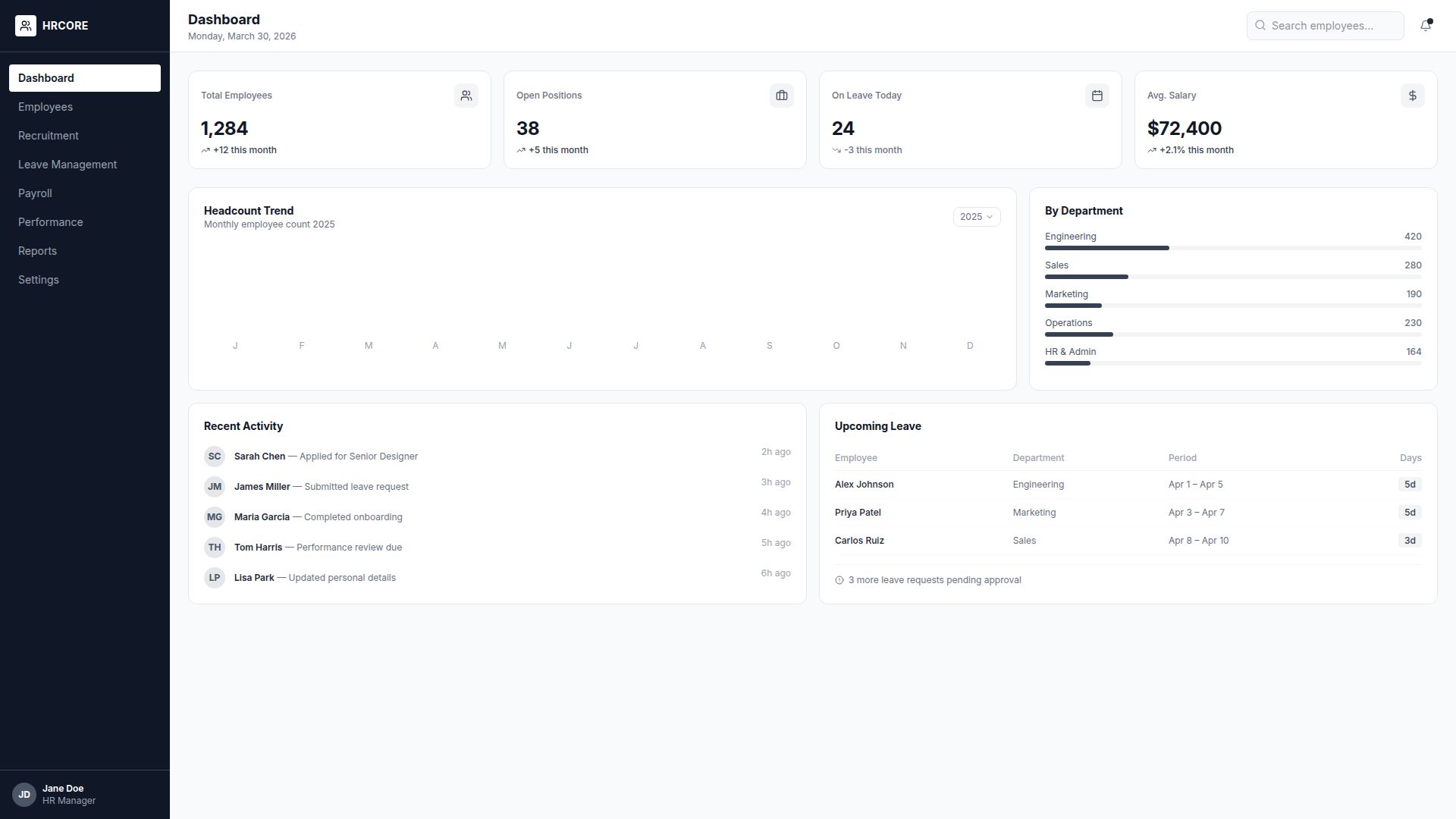
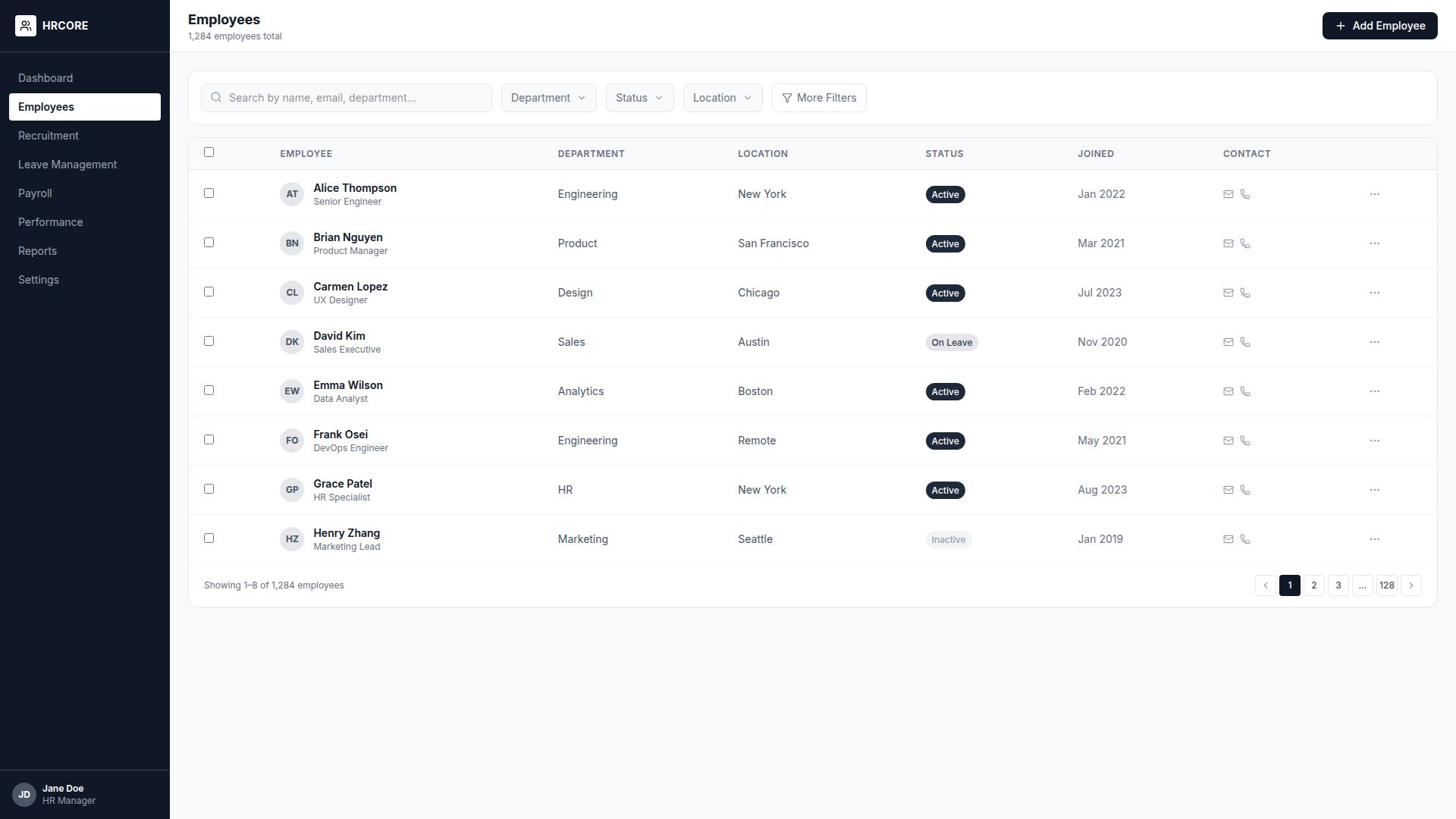
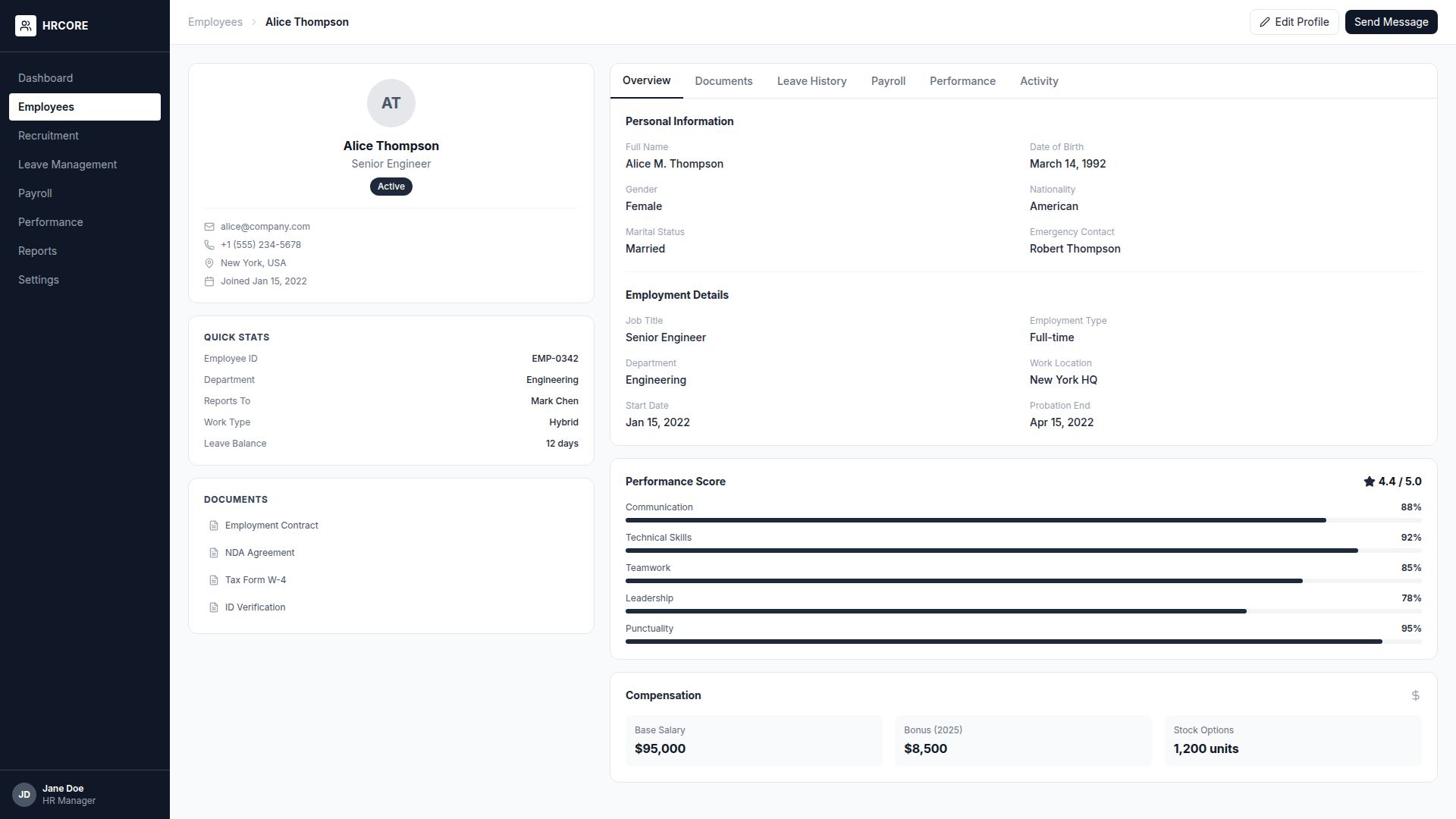
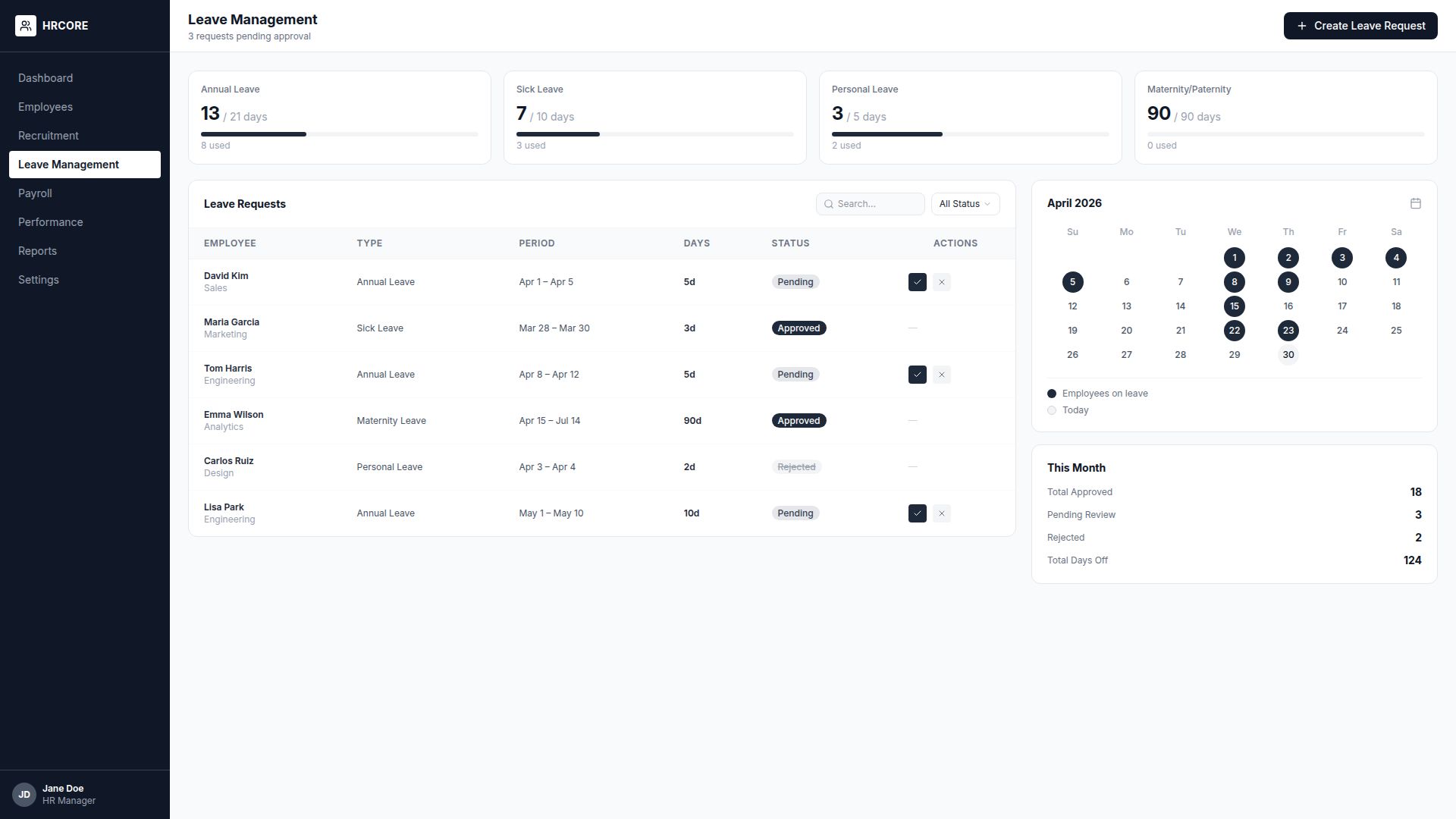
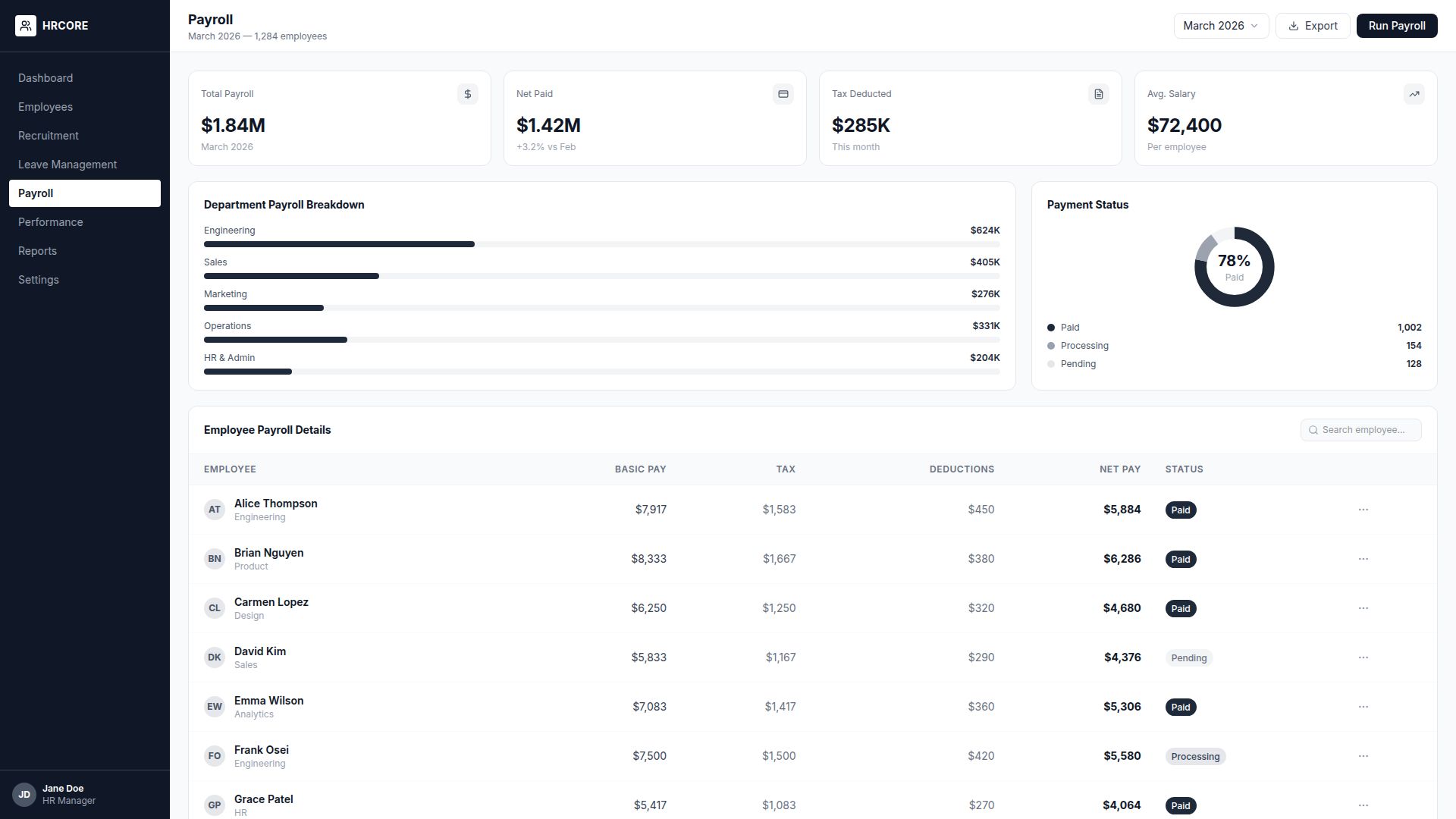
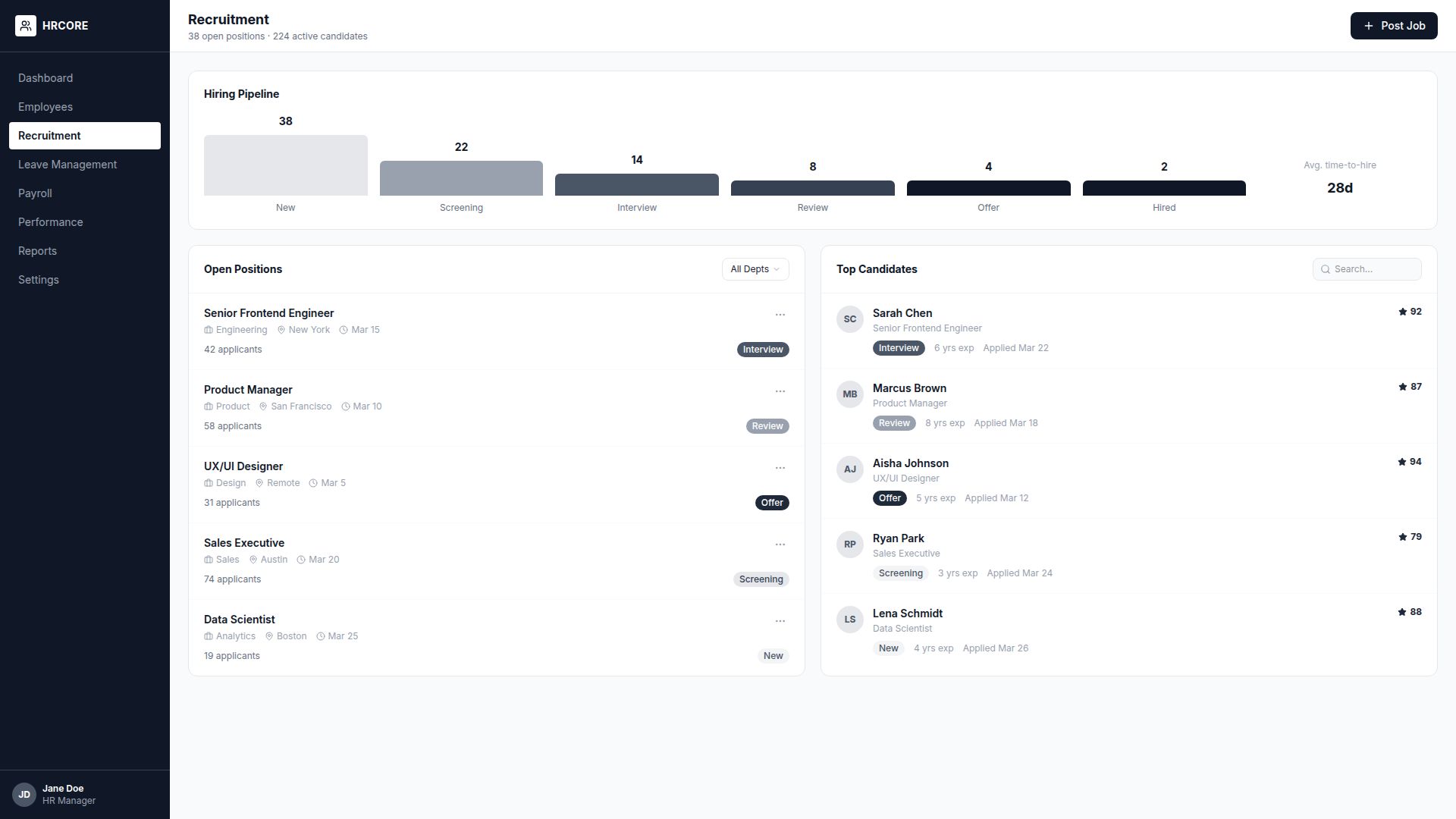
The final wireframes achieved a 92% task completion rate in usability tests, compared to 58% for the original design.
Visual Design
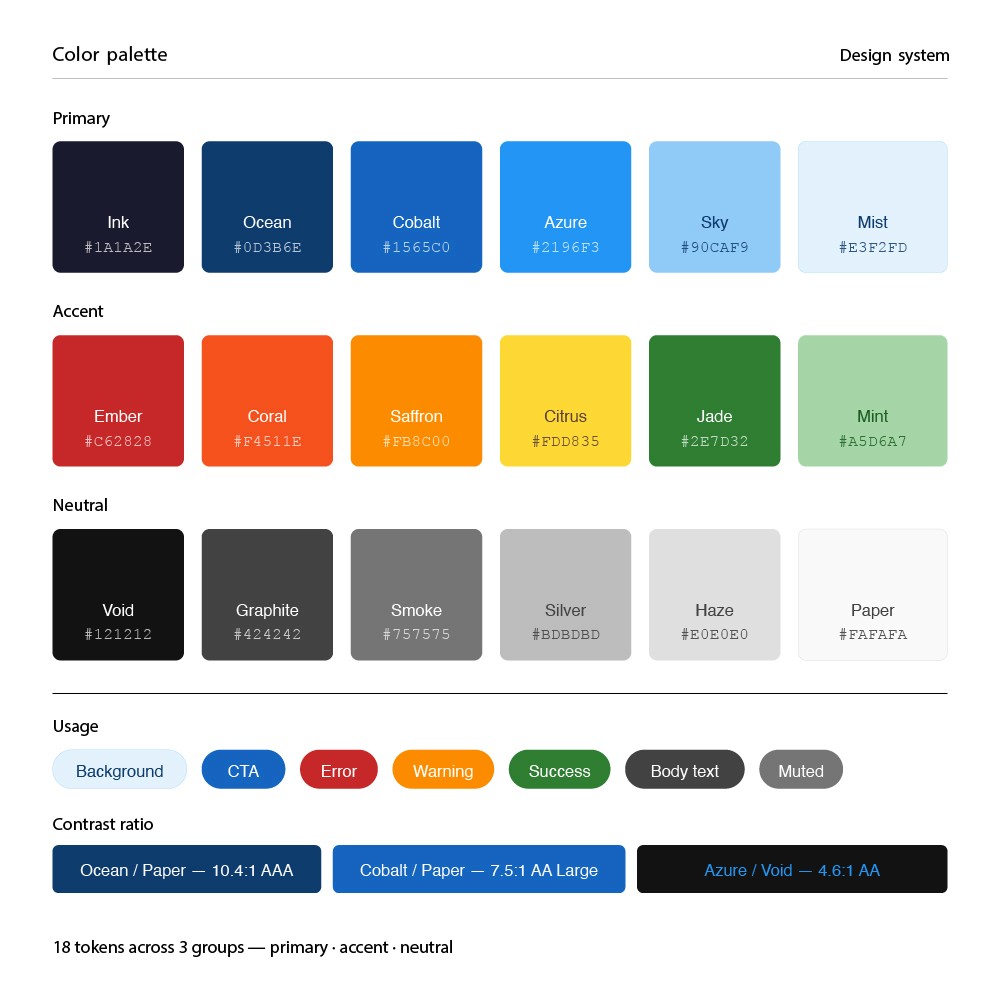
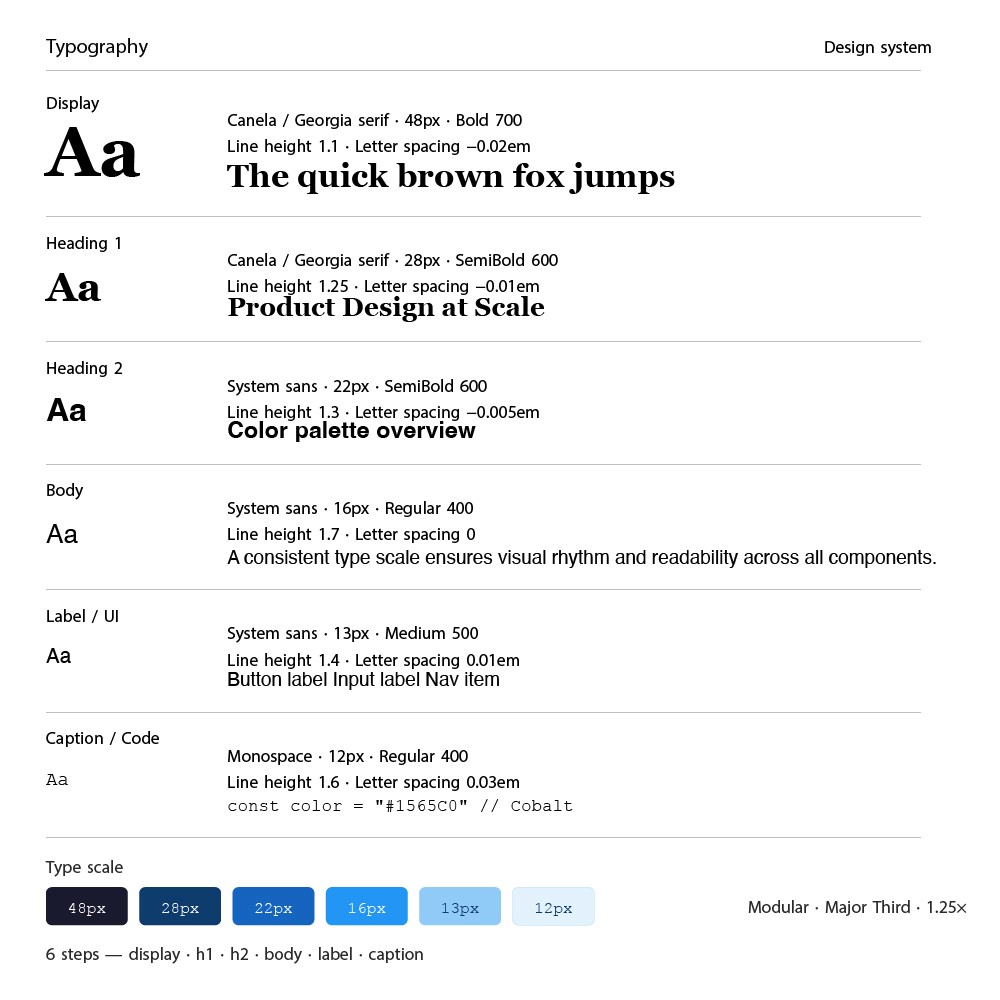
The visual design needed to balance professionalism (fintech) with approachability. I developed a clean, modern design system with a focused color palette and clear typography hierarchy.
Prototyping & Testing
I built a high-fidelity interactive prototype in Figma and conducted 4 rounds of moderated usability testing with 24 participants using Maze for unmoderated sessions.
24
Test Participants
4
Testing Rounds
95%
Task Success Rate
Iterations & Refinements
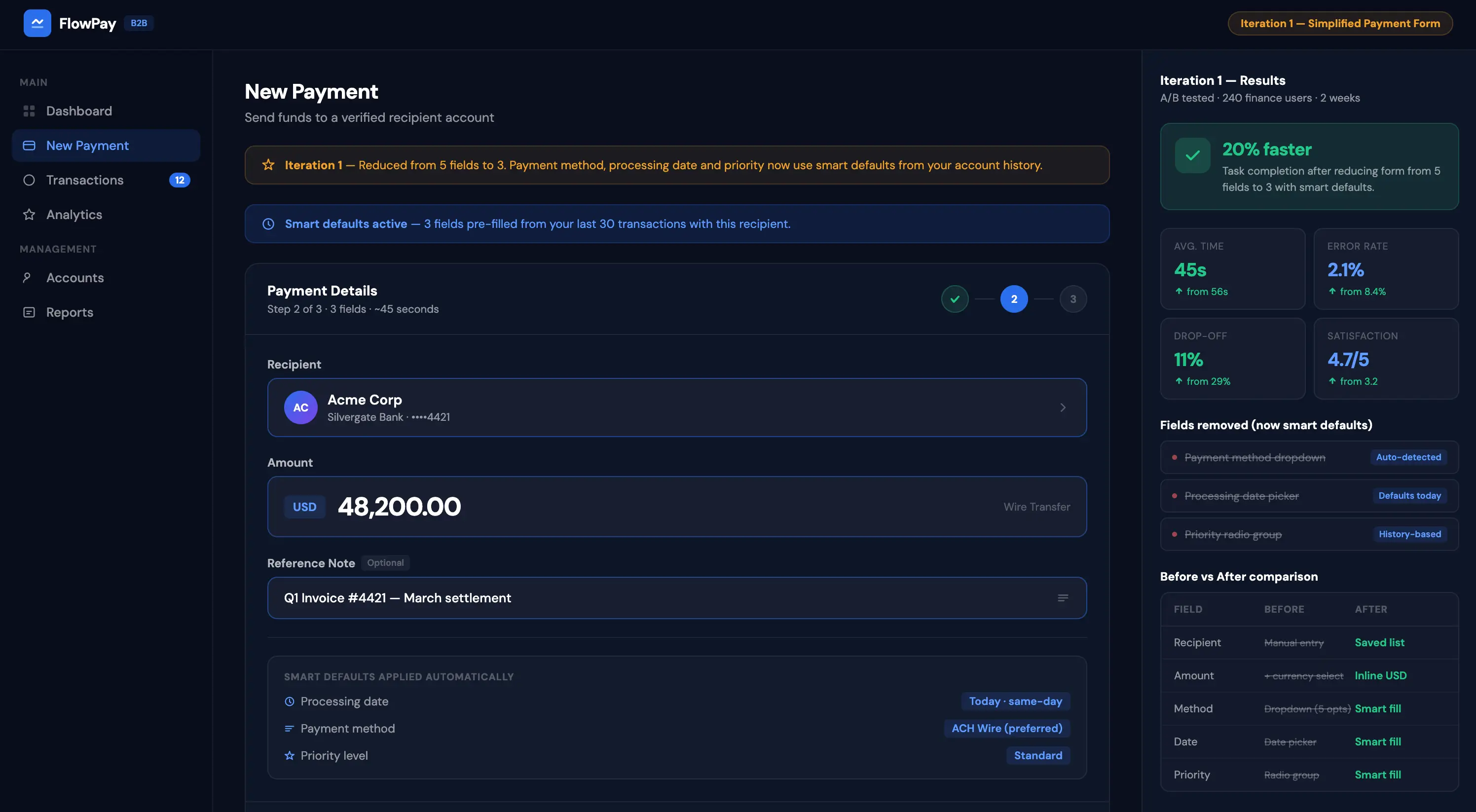
Iteration 1: Simplified the payment creation flow — reduced from 5 fields to 3 with smart defaults. Result: 20% faster task completion.
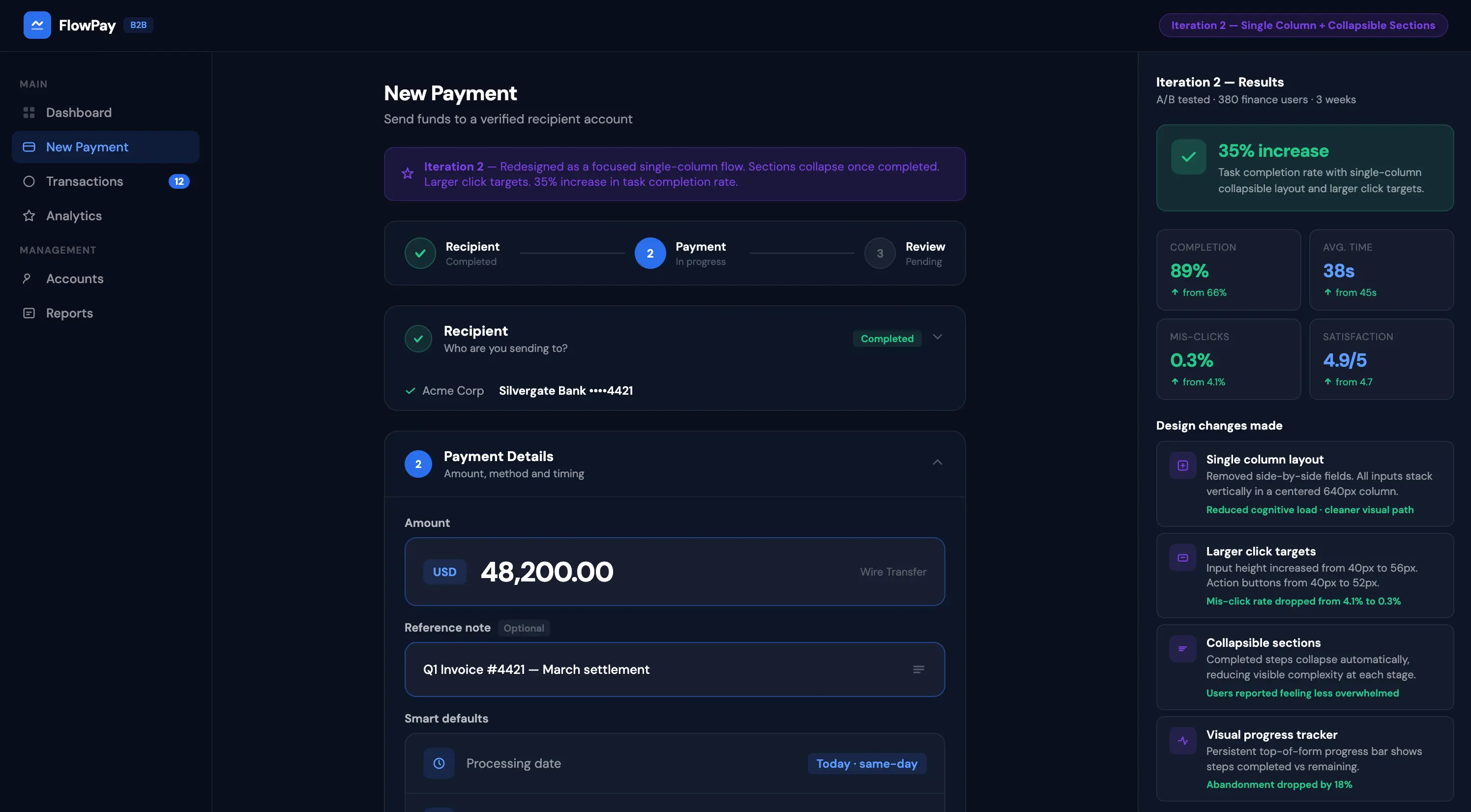
Iteration 2: Redesigned the mobile experience — single column layout with larger touch targets and collapsible sections. Result: 35% increase in mobile task completion.
Final Design
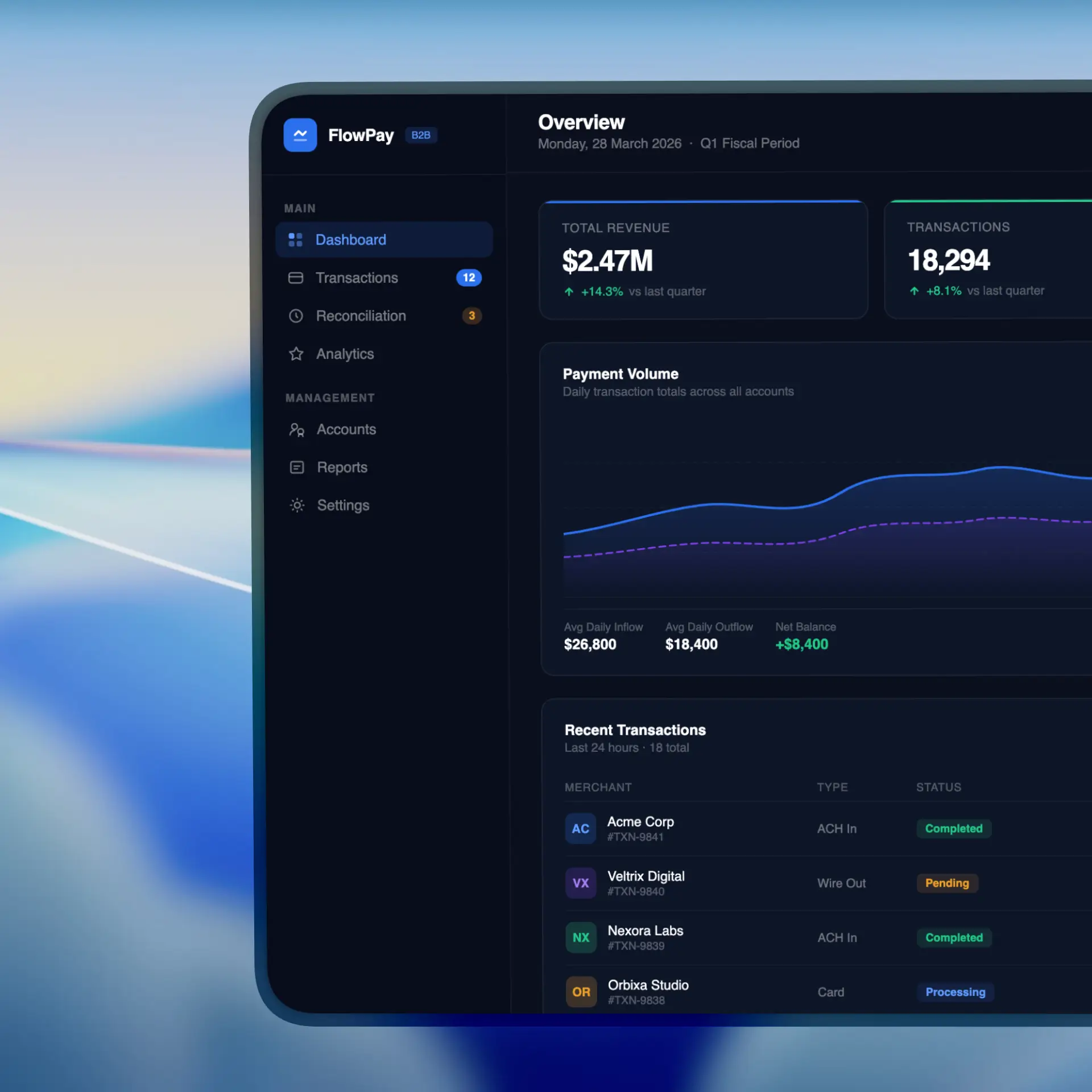
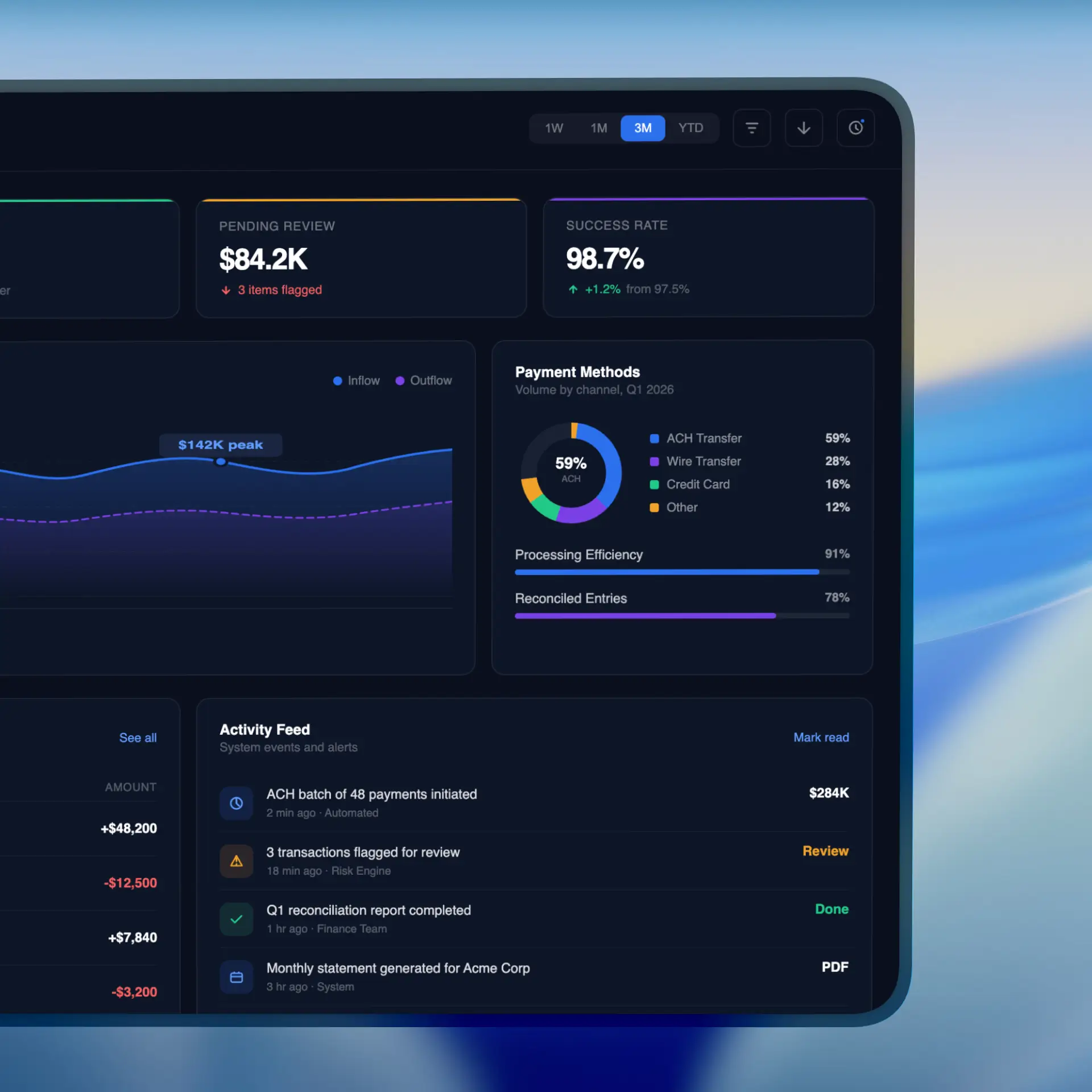
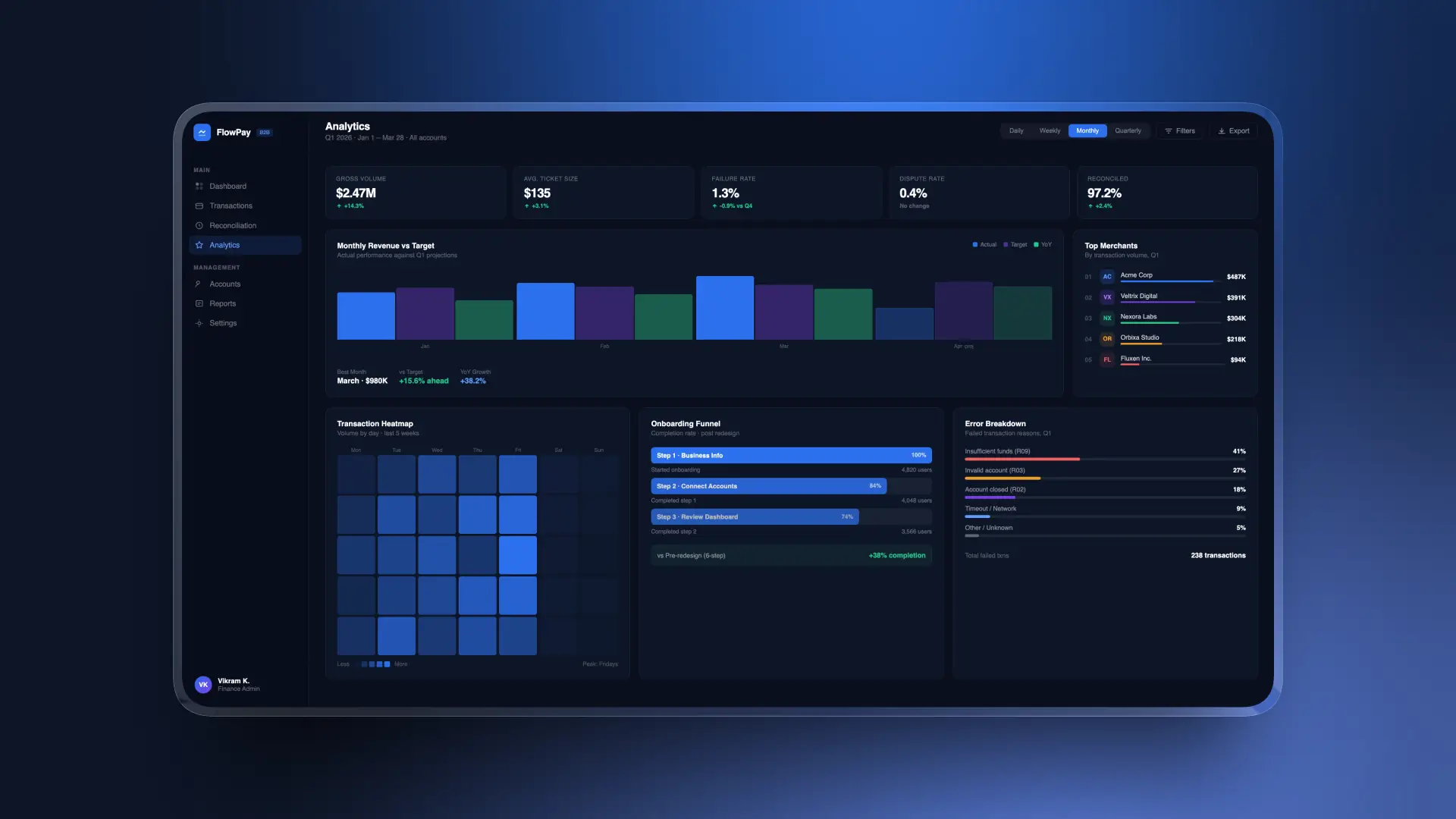
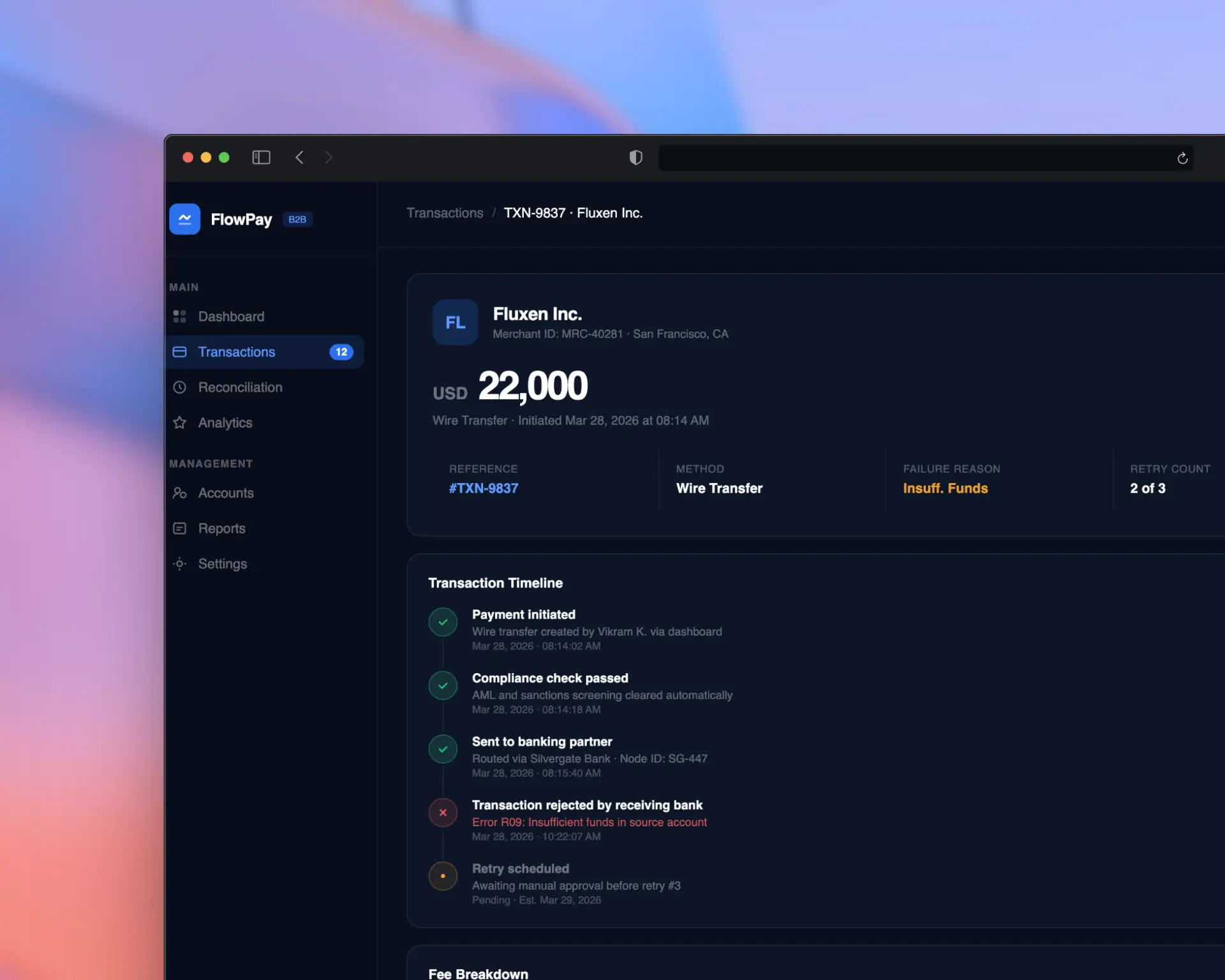
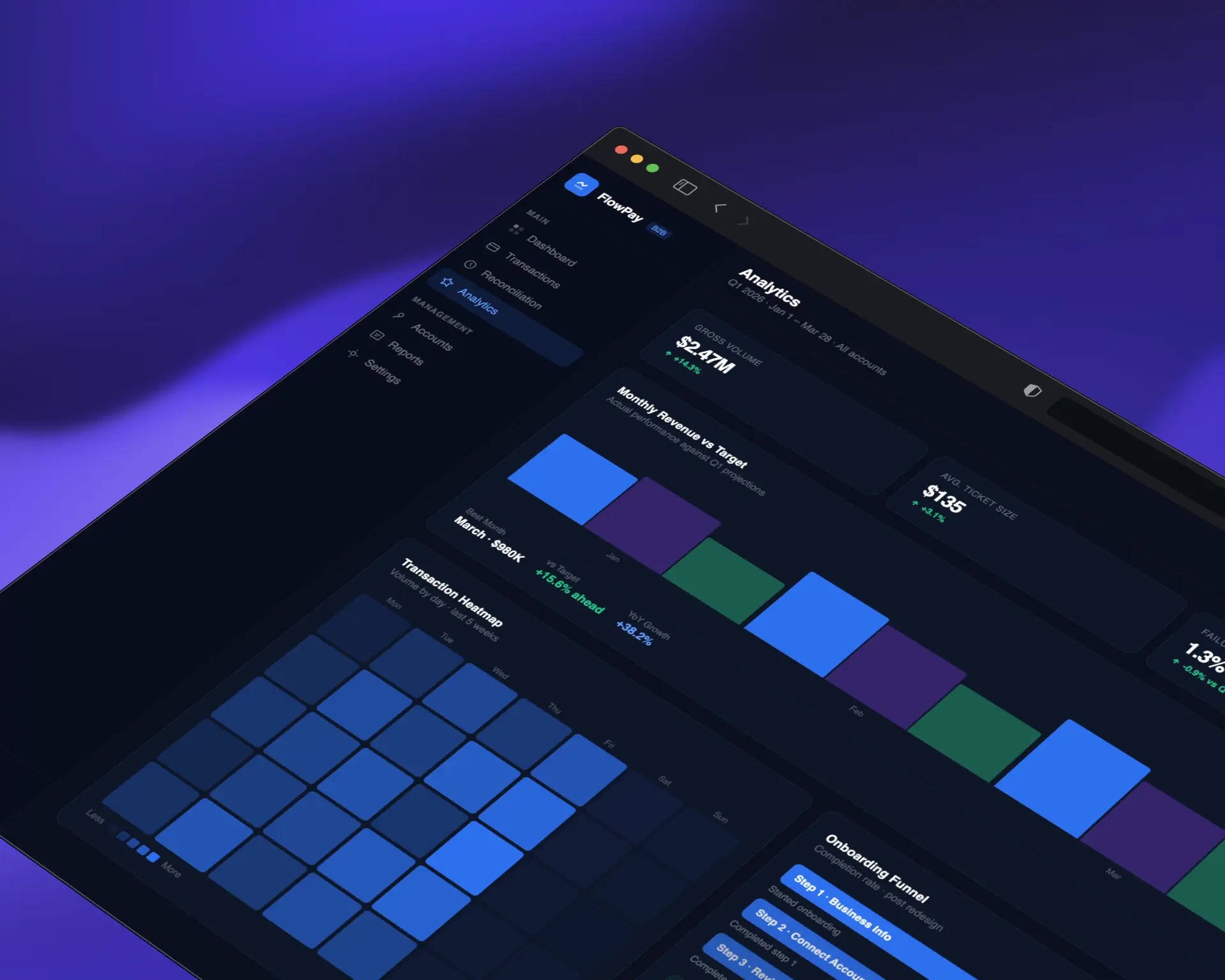
The final design, "StreamFlow," delivers a clean, confidence-inspiring payment experience across all devices. Key features include
3-step guided payment flow with contextual help
Real-time transaction tracking with push notifications
Bulk payment processing for enterprise clients
Customizable reporting dashboard with export options
Dark mode support with full WCAG AA compliance
Mobile-first responsive design with gesture navigation
Impact
58%
NPS Improvement
25%
On boarding drop-off
10
Support Reduction
The redesign paid for itself within the first month. Our support tickets dropped by 60% and customer satisfaction has never been higher.
Lessons Learned
Early and frequent usability testing saves months of rework later
Fintech users prioritize trust and clarity over visual flair
Mobile-first doesn't mean mobile-only — power users still need full desktop capabilities
Collaboration with developers early in the process leads to more feasible and innovative solutions
Next Steps
Implement AI-powered payment categorization and smart suggestions
Build out the design system into a shared component library
Expand analytics dashboard with predictive insights
Conduct longitudinal study to measure 6-month retention impact